
Archivo
«Thinking Matter, Thinking Body, Talking Hands»: Emanuel Almborg, Maria Chehonadskih, Alexei Penzin
 Talking Hands is presented here in full until 11/05/18.
“Thinking Matter, Thinking Body, Talking Hands” is a film and discursive program relating to the work of Marxist philosopher Evald Ilyenkov. The evening featured a lecture by philosopher Alexei Penzin on Ilyenkov’s essay “Cosmology of the Spirit,” followed by a screening of artist Emanuel Almborg’s film Talking Hands (2016), and a conversation between Almborg and philosopher Maria Chehonadskih.
Penzin’s lecture takes llyenkov’s early speculative work on the “entropic death of the universe” as a starting point from which to salvage the powers of “thinking matter,” while Almborg’s film and conversation with Chehonadskih engages with llyenkov’s later work on pedagogy, theories of (dis)ability, and the “thinking body”. While both lecture and film propose a materialist understanding of thinking outside the individual, one is located in matter and the universe, and the other in sensuous activity with objects and between people, leading to unique understandings of communism.
Leer más…
«Marxismo, subjetividad y psicología cultural histórica: avanzando sobre un legado inconcluso»: Fernando González Rey
 Resumen

Este artículo discute los diferentes momentos y posiciones asumidos por psicólogos soviéticos en sus intentos por definir una psicología marxista. También pretende traer a la luz momentos, conceptos y contradicciones que han sido pasados por alto en la psicología soviética durante mucho tiempo, desde donde se haría posible avanzar en una nueva definición de la subjetividad desde un enfoque histórico-cultural.
Palabras clave
marxismo; objetividad; subjetividad; psicología soviética; psicología cultural-histórica Leer más…
«Dialéctica de lo ideal (Iliénkov)»: Rubén Zardoza
 En el programa más reciente de Escuela de Cuadros se aborda un texto tardío de Évald Iliénkov (1924-1979) en el que el filósofo soviético trata el tema de lo ideal: las propiedades no materiales del mundo material. Con frecuencia la categoría de lo ideal –que abarca las normas de la lógica, del lenguaje y de la moralidad– ha sido tratada de forma burda por la filosofía materialista.
«Évald Iliénkov: el último Marxista Soviético»: Alexei Tsvetkov
 En un artículo para The Prime Russian Maganize (en su edición sobre el Marxismo), el poeta Alexei Tsvetkov escribió este retrato de Évald Iliénkov, el último Marxista Soviético y una de los más grandes y originales pensadores de la Unión Soviética. Tsvetkov nos ofrece un retrato de una figura realmente única cuyas obras merecen ser releídas y traducidas, pero también un retrato poco habitual de los tiempos y la atmósfera en la que vivió.
Sobre el último Marxista Soviético.
Al comienzo del conflicto armado entre China y Vietnam aullaba contra su radio negándose a hablar con nadie. Sartre bien podría haber escrito una novela o Godard haber rodado una película sobre él. Alexei Tsvetkov escribe sobre el último Marxista Soviético, Évald Iliénkov. Leer más…
«El Mozart de la Piscología»: Stephen Toulmin
 Recensión de tres libros: Mind in Society: The development of Higher Psychological Processes de L. S. Vygotsky, editado por Michael Cole, Vera John-Steiner, Sylvia Scribner y Ellen Souberman, Harvard University Press. The Psychology of Art, de L. S. Vygotsky, M.I.T. Press. Soviet Developmental Psychology: An Anthology, editado por Michael Cole, M.E. Sharpe.
En: The New York Review of Books, Septiembre 28, 1978.
I
Durante 40 años o más después de la revolución francesa se rompió la comunicación entre los fisiólogos franceses y sus colegas médicos y científicos británicos. Esta división se debió en parte al patriotismo que engulló a los ingleses durante las guerras napoleónicas. Pero se agravó por los miedos ideológicos y la suspicacia surgida en Bretaña por la revolución misma –miedos y suspicacias conservadores de los cuales Edmund Burke fue portavoz.
Una ruptura similar de comunicación ha mantenido al parecer a la mayoría de los psicólogos norteamericanos fuera de contacto con los avances importantes de la psicología rusa incluso desde el fin de la primera guerra mundial. Mucho del más importante trabajo soviético en psicología de las décadas 1920 y 1930, tanto teórico como experimental, permanece bastante desconocido en los EU, y sólo hasta ahora está siendo accesible al idioma inglés -gracias a la energía e iniciativa de Michael Cole de la Universidad Rockefeller en Nueva York. (El profesor Cole edita una revista cuatrimestral de traducciones de Psicología Soviética, y es responsable de dos de los tres libros reseñados aquí: la antología Psicología Soviética del Desarrollo comprende artículos seleccionados de su revista.) Si Michael Cole sigue reeditando en inglés los artículos originales de L. S. Vygotski y colaboradores, escritos hace unos cincuenta años, no lo hace como “un compilador de archivos” sino porque “una gran cantidad de psicología soviética de los 20s y 30s tiene mucha relevancia para la investigación contemporánea norteamericana”.
«What if Ilyenkov Had Known Marx’s Notes on Spinoza?»: Bill Bowring
 Abstract:
Leer más…
Audio del Seminario «Ilienkov y el marxismo creativo soviético» de Alex Levant
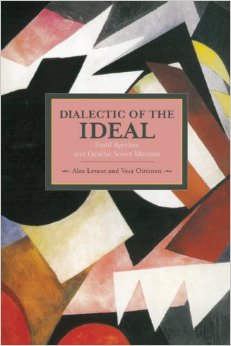 Seminario realizado en Barcelona el sábado 21-2-15 organizado por Marxismo Crítico e impartida por Alex Levant a propósito de la edición del nuevo libro Dialectics of the Ideal: Evald Ilyenkov and Creative Soviet Marxism.
In Dialectics of the Ideal: Evald Ilyenkov and Creative Soviet Marxism Levant and Oittinen provide a window into the subterranean tradition of ‘creative’ Soviet Marxism, which developed on the margins of the Soviet academe and remains largely outside the orbit of contemporary theory in the West. With his ‘activity approach’, E.V. Ilyenkov, its principal figure in the post-Stalin period, makes a substantial contribution toward an anti-reductionist Marxist theory of the subject.
This highly original approach should be of interest to theorists who seek to avoid economic and cultural reductionism as well as the malaise of postmodern relativism. This volume features Levant’s translation of Ilyenkov’s Dialectics of the Ideal (2009), which remained unpublished until thirty years after the author’s tragic suicide in 1979, as well as additional reflections and context by contemporary scholars.
Leer más…
«Vygotskiy como filósofo de la ciencia»: Rene van der Veer, Jaan Valsiner
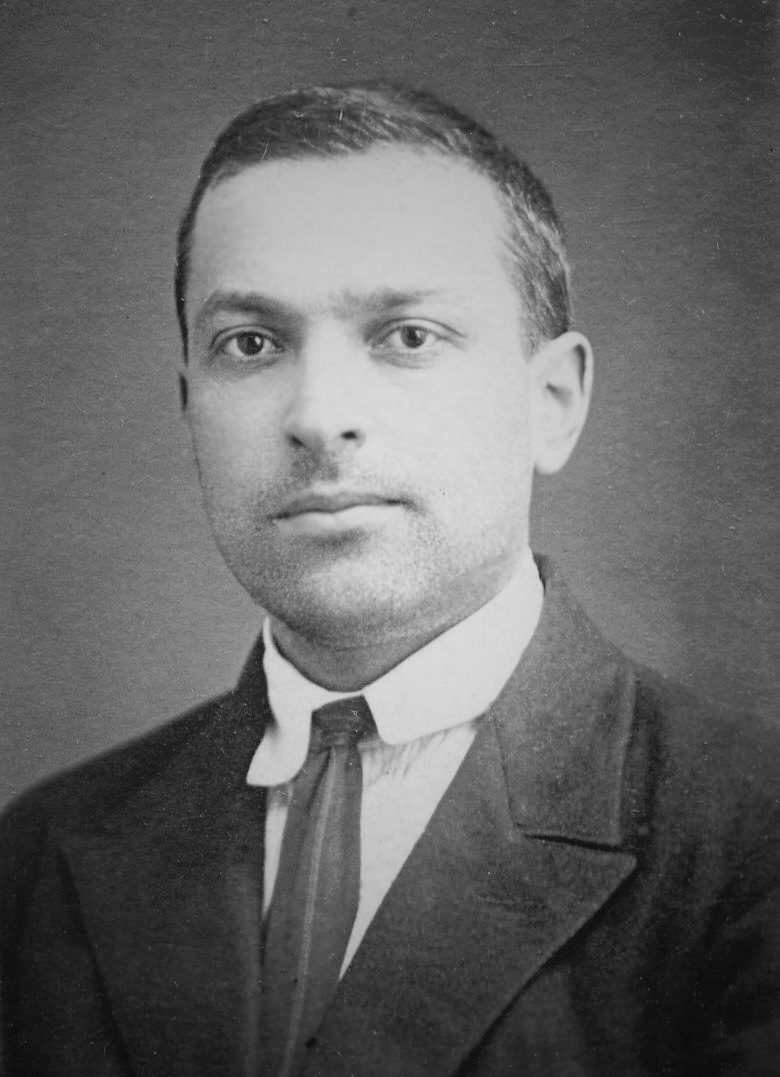 Introducción
El psicólogo soviético Liev Vygotskiy (1896-1934) ahora es generalmente aceptado como una figura importante de la historia de la psicología. Algunas de sus obras han sido traducidas a muchas lenguas y sus ideas han inspirado a pensadores como Jerome Bruner (1985), Stephen Toulmin (1978) y Román Yakobsón (1985). Publicó artículos y libros sobre diversos temas como esquizofrenia, pensamiento y lenguaje, pruebas de inteligencia, y niños con deficiencias (Van der Veer, 1985). Es menos sabido, sin embargo, que también fue un metodólogo en el sentido ruso de la palabra, que es alguien que analiza supuestos básicos y conceptos de varias corrientes psicológicas y de la psicología en general. Un metodólogo así debe ser tanto un conocedor de la historia de la psicología como un filósofo de la ciencia. Vygotskiy combinó esas cualidades y estamos convencidos que su importancia para la psicología radica precisamente en su trabajo metodológico. Es la forma como Vygotskiy abordó los viejos problemas de la psicología, tales como el problema natura-nurtura y el problema cuerpo-mente, lo que le convierten en el psicólogo más importante del siglo veinte.
El primer informe más o menos completo de las ideas metodológicas de Vygotskiy puede ser hallado en el ensayo “El sentido histórico de la crisis psicológica» (Vygotsky, 1927/1982). En este artículo Vygotskiy analizó las corrientes psicológicas de su tiempo, rastreó hasta qué punto son compatibles o incompatibles, y trató de hallar material para una futura metodología. A medida que Vygotskiy se ocupa de los problemas de la práctica psicológica, de la historia de las ideas científicas, de problemas epistemológicos y del dualismo en las ciencias sociales; los contornos de su propia postura con respecto a los problemas filosóficos y epistemológicos devienen progresivamente claros. Leer más…
«Dialectics of the Ideal. Evald Ilyenkov and Creative Soviet Marxism»: Vesa Oittinen, Alex Levant
 In Dialectics of the Ideal: Evald Ilyenkov and Creative Soviet Marxism Levant and Oittinen provide a window into the subterranean tradition of ‘creative’ Soviet Marxism, which developed on the margins of the Soviet academe and remains largely outside the orbit of contemporary theory in the West. With his ‘activity approach’, E.V. Ilyenkov, its principal figure in the post-Stalin period, makes a substantial contribution toward an anti-reductionist Marxist theory of the subject.
This highly original approach should be of interest to theorists who seek to avoid economic and cultural reductionism as well as the malaise of postmodern relativism. This volume features Levant’s translation of Ilyenkov’s Dialectics of the Ideal (2009), which remained unpublished until thirty years after the author’s tragic suicide in 1979, as well as additional reflections and context by contemporary scholars.
“El Proyecto Eisenstein/Vygotsky/Luria: Pensamiento Cinemático y la Ciencia Integradora de la Mente y el Cerebro”: Julia Vassilieva
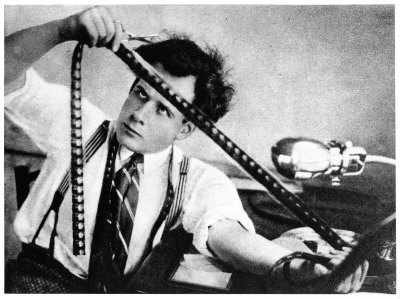 Cuando Sergei Eisenstein murió el 11 de febrero de 1948, un examen postmórtem fue llevado a cabo para establecer la causa de la muerte. Su cuerpo fue sometido a una disección y su cerebro fue expuesto, medido y fotografiado. Las fotografías del cerebro de Eisenstein las conservó el que había sido su amigo por treinta años, el neuropsicólogo Alexander Luria, quien se las mostraría a sus estudiantes para ilustrar la asimetría de los hemisferios cerebrales. El cerebro de Eisenstein presentaba un hemisferio derecho, responsable del procesamiento de las imágenes visuales y la información espacial, de proporciones extraordinarias, mientras su hemisferio izquierdo tenía un tamaño normal. [1] Esta imagen impactante da buena cuenta de uno de los proyectos intelectuales más desafiantes y duraderos en la intersección de la teoría cinematográfica, la psicología y la filosofía: aquel que trató de entender cómo interactúan la mente, el cerebro y el cine. Constituía asimismo un epílogo a la colaboración científica entre Eisenstein y Luria, que en diversas etapas incluyó también al lingüista Alexander Marr y al psicólogo cultural Lev Vygotsky. El programa de investigación que desarrollaron desde mediados de los años veinte del siglo pasado hasta la muerte de Eisenstein, aspiraba a combinar neurociencia, ciencias sociales y teoría del cine para abordar las bases neuronales y la semiótica de la estética de la gran pantalla. Leer más…
«El carácter enigmático de las Tesis sobre Feurbach y su secreto»: Miguel Candioti
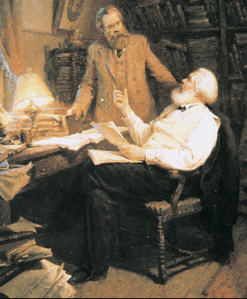 Los breves rayos de luz que se encuentran en las Tesis sobre Feuerbach encandilan a todos los filósofos que se le acercan, pero todos sabemos que un rayo enceguece en lugar de iluminar, y que nada es más difícil de situar en el espacio de la noche que un estallido de luz que la rompe. Será sin duda necesario hacer visible, algún día, lo enigmático de esas once tesis falsamente transparentes. LOUIS ALTHUSSER (1967, 29).

Como se sabe, Marx no escribió las Tesis sobre Feuerbach (TF) con la idea de publicarlas, sino más bien como un material preparatorio para la redacción de La ideología alemana (IA), que iniciaría más tarde durante el mismo año –1845– junto a Engels. Sin embargo, esta voluminosa obra no pudo ser editada en esos tiempos, y sus autores, conformes con haber logrado a través de ella esclarecer sus propias ideas, abandonaron la pretensión de publicarla (cf. Marx, 1981a, 519). Paradójicamente, en 1888, más de cuarenta años más tarde, el viejo Engels se decidió a dar a conocer las TF, pero silenciosamente retocadas por su pluma y completamente aisladas de IA, cuya publicación desestimó alegando que “en el manuscrito no figura la crítica de la doctrina feuerbachiana”. Hoy sabemos que esto último es falso, aunque sea cierto, en efecto, que “la parte dedicada a Feuerbach no está terminada” (Engels, 1981, 354). Debieron pasar otros cuarenta años hasta que por fin se publicaron –entre 1924 y 1926– tanto la versión original de las TF redactada por Marx como la parte de IA que contiene las críticas a Feuerbach 1. Esto significa que durante unos ochenta años –que es casi la mitad del tiempo que lleva vivo el materialismo histórico– tanto sus seguidores como sus detractores se vieron privados de la lectura y la confrontación de estos dos textos mellizos, en los que nuestros autores llevaron a cabo nada menos que su “ajuste de cuentas” con la “conciencia filosófica anterior” (Marx, 1981a, 519). Y también significa que durante casi cuatro décadas se accedió únicamente a las TF –y en la versión publicada por Engels–, lo cual trajo como consecuencia algunas serias confusiones. Porque si bien Engels acierta al señalar que este escrito posee “un valor inapreciable, por ser el primer documento en que se contiene el germen genial de la nueva concepción del mundo”, también atina al advertir que se trata de “notas tomadas para desarrollarlas más tarde, notas escritas a vuelapluma y no destinadas en modo alguno a la publicación” (1981, 354). Ahora bien, precisamente por esto último, resulta lamentable que él no pudiera prever los malentendidos que tales notas generarían mientras no pudieran ser cotejadas con la sección dedicada a Feuerbach de IA 2. Leer más…
«Word Meaning is Important»: Andy Blunden
 Perezhivanie as a word in the English language
The Russian language does not use definite or indefinite articles, so in appropriating a Russian word into the English language, and thereby giving perezhivanie an English meaning, the writer has to make a decision as to whether ‘perezhivanie’ is a countable noun or a mass noun. As a mass noun, it can be used in sentences like “Perezhivanie is the source of all personal development.” As a countable noun, it can be used in phrases like “A perezhivanie I had as a child changed my life,” or “The perezhivanie of being left on my own at such an age was traumatic,” or “Some perezhivanija have a profound effect on development.” We do not need John Dewey’s article “Having An Experience” to tell us that ‘an experience’ has a different meaning from ‘experience’. Every native English speaker knows this, except that very few English speakers indeed are consciously aware of the distinction between countable nouns and mass nouns; this is generally known only to experts in English grammar. Ordinary native English-speakers will become aware of the difference when the shop assistant, who is a Sikh, says “We have many equipments in this store”; even though the native English speaker will always use ‘equipment’ correctly, we do it without conscious awareness of the grammatical rule implicit in the usage. ‘Tool’ is a unit of equipment, ‘equipment’ is not a unit of anything. Given that the countable/mass distinction is absent from the Russian language and native English speakers are generally unaware of the distinction, it is not surprising that native Russian speakers will say things like “perezhivanie is unit of consciousness.” However, when a native English-speaker emulates this broken English they reveal that they do not understand the meaning of the word ‘unit’, which can only refer to a countable noun. It makes no difference if the neolog ‘experiencing’ is used instead of appropriating perezhivanie. As a neolog, ‘experiencing’ can be countable or mass according to its usage, and being simply a translation of perezhivanie, those who use it always use it as a mass noun thereby depriving the word ‘unit’ of its meaning – both the scientific sense in which Vygotsky used it, and the everyday sense. ‘Perezhivanie’ is a countable noun and its plural is ‘perezhivanija’. Perezhivanija are units of consciousness in Vygotsky’s theory. Leer más…
«Soviet Philosophy and then some»: David Bakhurst interviewed by Richard Marshall
 David Bakhurst goes all Virginia Plain about Russian political thinkers, Soviet philosophy, Illyenkov, Mikhailov, Vygotsky and his demons, Deborin’s Hegelian Marxists, the Mechanists, the formation of reason, John McDowell, second nature and naturalism, Jonathan Dancy and particularism, as well as the status of philosophy of education and whether Michael Oakeshott can be redeemed. It’s for your pleasure…
RM: What made you become a philosopher? Were you always a puzzler?
David Bakhurst: Although I have two sisters, they are much older than I am, so when I was growing up I was a little like an only child with plenty of opportunity for solitary pursuits. I suppose I am by disposition a worrier and, along with the usual anxieties that are the stuff of childhood, some of my worries took a more metaphysical form. When I was about ten my mother developed an interest in Christian Science and would often muse about the unreality of the physical world and the transcendence of the error and illusion, and this no doubt stimulated my interest in philosophical questions.
«La dialéctica de lo Ideal»: Evald Ilyenkov
 Lo ideal o la idealidad de los fenómenos es una categoría demasiado importante para ser tratada de forma irreflexiva y descuidada, pues a ella se encuentran vinculadas la comprensión marxista de la esencia del idealismo y la propia denominación de éste.
Idealistas se consideran todas aquellas concepciones filosóficas que toman lo ideal como punto de partida para la explicación de la historia y el conocimiento, con independencia de la forma particular en que sea descifrado este concepto: como conciencia, voluntad, pensamiento, psiquis en general, “alma”, “espíritu”, “sensación”, “principio creador” o “experiencia socialmente organizada”.
«Segunda Parte de la Entrevista con Pablo del Río Pereda acerca de Vygotski: su obra y su actualidad»: Maria Isabel Batista Serrão y Flávia da Silva Ferreira Asbahr
 Entrevistadoras: ¿Cree usted que hay una continuidad del pensamiento de Vygotski?
Pablo: Sí que la hay y eso es una gran noticia. Muchos años después en Occidente, donde no conocimos su obra en su día, ésta se ha rescatado para la ciencia, pero como estamos comentando, esa recuperación es parcial. Hay que celebrar que la obra de Vygotski haya llegado a nosotros y que haya, por decirlo así, reentrado de nuevo en la historia. Pero hay que ser conscientes de que buena parte de la recuperación se ha dado en el nivel de la divulgación, de que la divulgación ha sido selectiva y ha tenido sesgos, y de que en el ámbito de la investigación la continuidad es aún insuficiente.
Reading Marx’s Capital with David Harvey

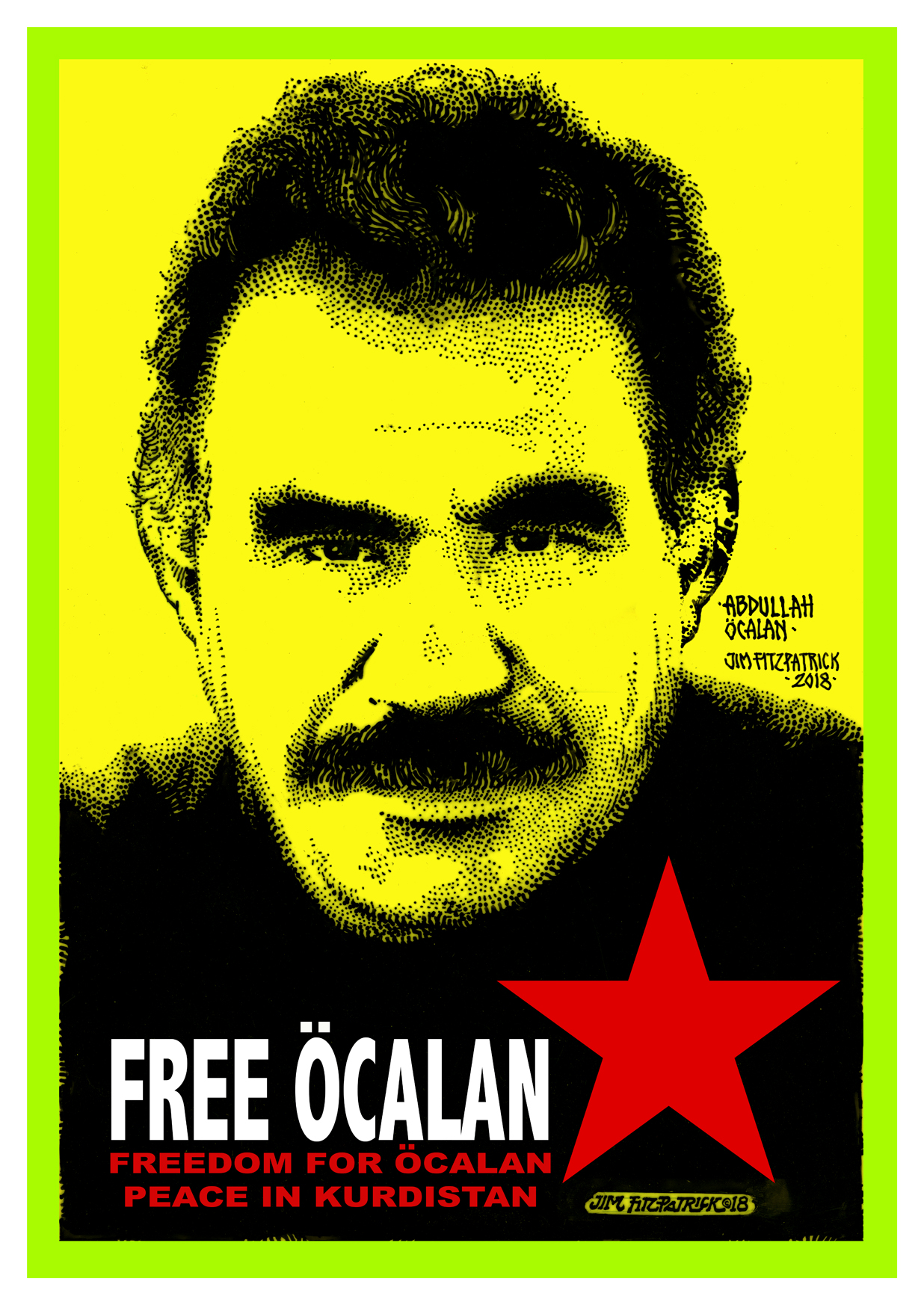
Free Öcalan


Fundación Infancia y Aprendizaje

Colección de libros Marxismo Crítico

Historical Materialism


CIPEC (Centro de Investigación en Pensamiento Crítico)

Centro para la Investigación como Crítica Práctica

Memoria Revista de Crítica Militante

Revista Laberinto





Marx desde cero





 marxismocritico.com