
Archivo
«Anti-Capitalism: A Marxist Introduction»: Alfredo Saad-Filho
 Introduction
«The need of a constantly expanding market … chases the bourgeoisie over the whole surface of the globe … All old-established national industries … are dislodged by new industries … that no longer work up indigenous raw material, but raw material drawn from the remotest zones; industries whose products are consumed, not only at home, but in every quarter of the globe. In place of the old wants, satisfied by the productions of the country, we find new wants, requiring for their satisfaction the products of distant lands and climes … The bourgeoisie, by the rapid improvement of all instruments of production, by the immensely facilitated means of communication, draws all … nations into civilisation … It compels all nations, on pain of extinction, to adopt the bourgeois mode of production; it compels them to introduce what it calls civilisation into their midst, i.e., to become bourgeois themselves. In one word, it creates a world after its own image» (The Communist Manifesto)
CAPITALISM AND ANTI-CAPITALISM
The Communist Manifesto rings even truer today than it did in 1848. Key features of nineteenth-century capitalism are clearly recognisable, and even more strongly developed, in the early twenty-first century. They include the internationalisation of trade, production and finance, the growth of transnational corporations (TNCs), the communications revolution, the diffusion of Western culture and consumption patterns across the world, and so on.
Leer más…
«Mas allá de “El capital”, de Michael Lebowitz»: Marta Harnecker
 Ha pasado más de un siglo y medio desde que Marx anunciara la hora final del capitalismo, la hora en que los expropiadores serían expropiados. La revolución socialista en Rusia seguida del advenimiento del socialismo en varios de los países de Europa del Este, más tarde en Asia (China, Corea, Vietnam) y luego en Cuba, sumado al auge de los movimientos de liberación nacional en África, donde se levantaron gobiernos que se integraron al llamado “campo socialista,” eran todos hechos que parecían estarle dando la razón.
A finales de ese mismo siglo, sin embargo, la situación se tornó radicalmente diferente. Es derrotado el socialismo en Europa del Este y la URSS, y se reduce drásticamente la tradicional clase obrera industrial en los países de alto desarrollo con el consecuente debilitamiento de los movimientos obreros. El capitalismo demuestra una extraordinaria capacidad de sobreponerse a las diferentes crisis aumentando su dinamismo y su capacidad de imponer a nivel global su modelo económico, político, ideológico y cultural. La situación parece haberse revertido. No es el capitalismo sino más bien el socialismo el que parece haber sucumbido y con él, el marxismo, su teoría inspiradora.
«The Ideal in Human Activity. A Selection of Essays»: Evald Ilyenkov

The Ideal in Human Activity
Including “Dialectical Logic” and essays on the ideal and activity, such as “The Universal,” “Activity and Knowledge” and “The Concept of the Ideal.”
The articles collected in this volume were all written in the last few years of Ilyenkov’s life in the mid- to late 1970s, before he died by his own hand, evidently exasperated at the dead end at which his country had arrived. Ilyenkov’s work reflects a deep study of classical German philosophy and the writings of Karl Marx. Reflecting on the work of the school of psychology originating in the Soviet Union in the late 1920s and early 30s by Lev Vygotsky, Ilyenkov gives this current is ultimate philosophical expression.
«Conversando sobre Gramsci, Sociedad civil y hegemonía» Jorge Luis Acanda
Conversando sobre Gramsci, Sociedad civil y hegemonía Fecha Martes, 30 de Septiembre del 2003 (15:49:22) Tema Libros y Revistas
En el texto Sociedad Civil y Hegemonía, Jorge Luis Acanda hace un análisis de las disímiles concepciones existentes sobre la sociedad civil, para luego mover la reflexión al plano de los procesos de instauración de la hegemonía: resalta «la importancia de los procesos culturales, de las superestructuras, en el intento de luchar contra la dominación e instaurar y desarrollar una nueva sociedad».
por Oscar Ochoa González Centro de Investigación y Desarrollo de la Cultura Cubana Juan Marinello
«Henryk Grossman and the Recovery of Marxism»: Rick Kuhn
 Grossman’s return to Marx, in order to overcome the stagnation of Marxist economics, paralleled the recovery by Lenin and Lukács of Marxist politics and philosophy. He shared with them more than a political starting point:
their commitment to the project of constituting the working class as a conscious historical actor. All three also grasped the importance of Marx’s theory of the fetishism of commodities, his method in Capital and the intractability of
capitalist crises. Grossman concentrated his efforts, in particular, on the question of the relationship between capital accumulation and economic crises, which he theorised in two distinct but complementary ways.
«Nuestro Marx»: Néstor Kohan
[Última versión]
Indice
Introducción
- Contexto histórico de la polémica contemporánea
- ¿«Volver» a Marx?
- Balance crítico impostergable La fragmentación en el capitalismo tardío y el abandono académico de la teoría crítica del fetichismo
- Características del fetichismo y cuestionamientos “post”
- De la gran teoría al “giro lingüístico” y al microrrelato Fetichismo, modernización de la hegemonía y fragmentación social
- ¿“Pluralismo” o liberalismo reciclado?
- El auge de las narrativas “post”… un producto de la derrota política Hipóstasis fetichista y poder en las metafísicas “post”
- La lógica integradora y globalizada del imperialismo mundializado
- La génesis de la teoría política del fetichismo y su noción de sujeto
- Primera aproximación a la teoría del fetichismo, una reflexión “olvidada”
- Racionalidad de la parte, irracionalidad del conjunto Mercado mundial y nuevas resistencias
- Fetichismo, hegemonía y desafíos de la teoría crítica marxista Fetichismo y poder: nuestras hipótesis
Reading Marx’s Capital with David Harvey

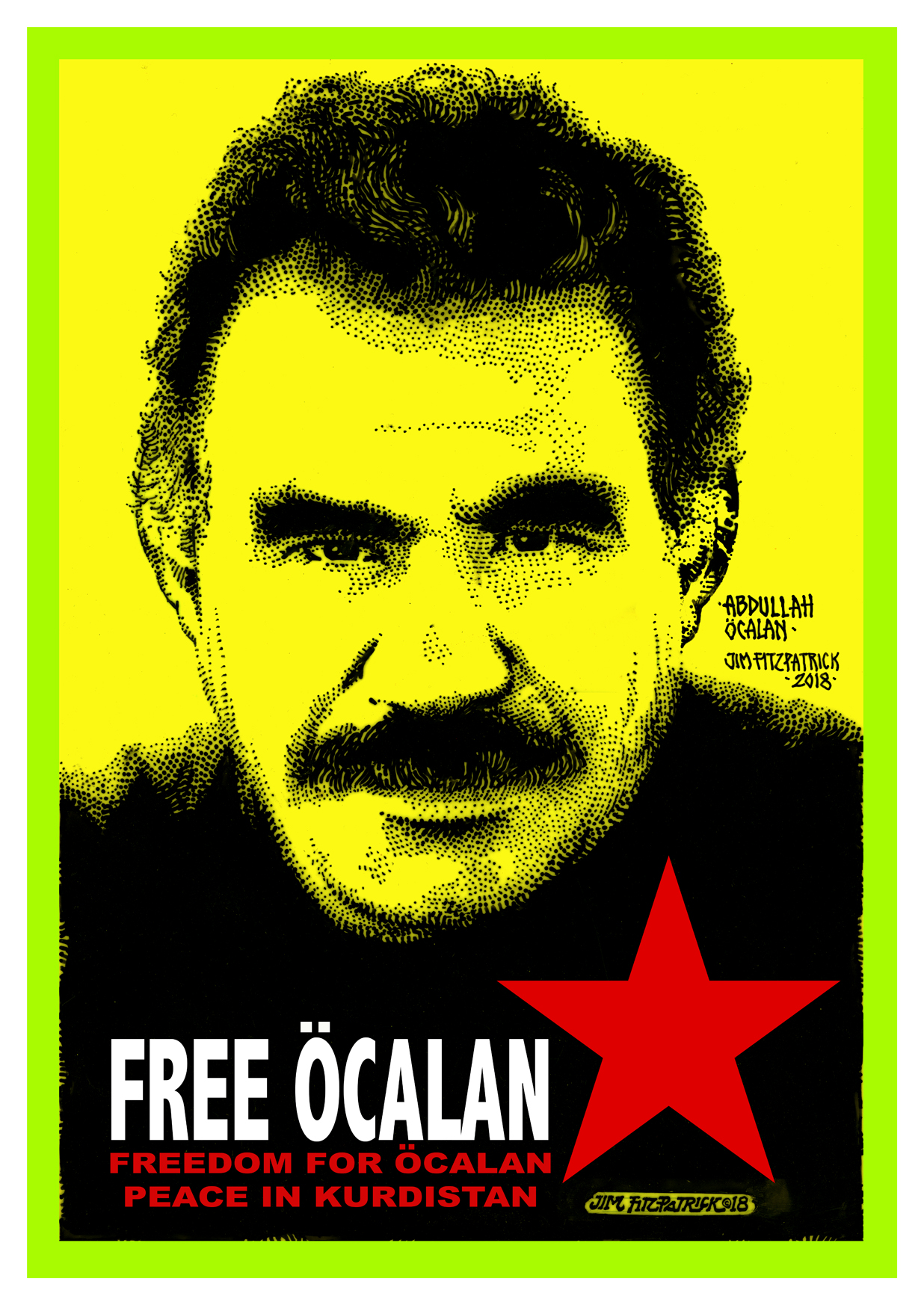
Free Öcalan


Fundación Infancia y Aprendizaje

Colección de libros Marxismo Crítico

Historical Materialism


CIPEC (Centro de Investigación en Pensamiento Crítico)

Centro para la Investigación como Crítica Práctica

Memoria Revista de Crítica Militante

Revista Laberinto






Marx desde cero





 marxismocritico.com