


 Muchos marxistas aceptan un análisis limitado del Estado capitalista que lo caracteriza como un sencillo instrumento de dominación de clase. Aquí están siguiendo a Lenin, quien coloca esta tesis en el centro de su indudablemente brillante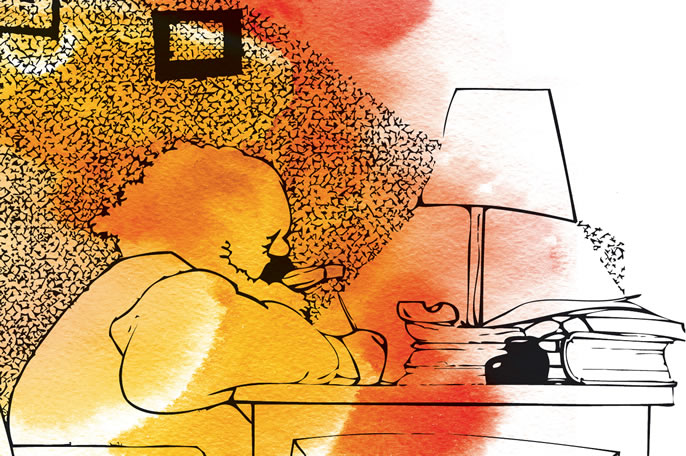
 Mesa de abertura do Encontro Internacional «150 anos da Associação Internacional dos Trabalhadores». O ciclo de debates marcou o lançamento do livro «Trabalhadores uni-vos: antologia política da I Internacional» (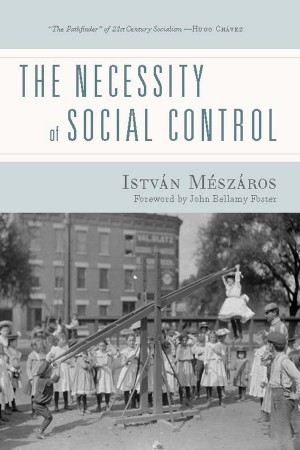


Last weekend, I attended this year’s London version of the Historical Materialism conference (http://www.historicalmaterialism.org/conferences/annual11), which for those who don’t know is an annual gathering of mainly Marxist academics, students and activists organised by the Historical Materialism journal. A host of papers and book launch presentations are made, often bringing out new ideas in the analysis of capitalism.
This year’s main theme was How Capitalism Survives and was apparently attended by over 750 scholars, academics and activists. It’s not possible to attend all sessions, of course, so my review concentrates on the economics papers and even there is sometimes based on reading the papers presented rather than on actually attending the session (so be forewarned!).
How does capitalism survive? Well, according to John Weeks, emeritus professor at SOAS, it’s because the capitalist mode of production has had very few of what could be called proper crises (2014 Weeks_Crisis_Izmir). Weeks reckons that only the Great Depression of the 1930s and the recent Great Recession could be considered generalised crises (“episodes of severe contraction”) that affected the world capitalist economy for any length of time or to any depth. Other so-called crises were merely mild recessions or financial crashes that were short and limited to the national economy concerned.
As for the causes, Weeks argues that it was the breakdown in the circuit of capital and the realisation of money that was the problem and had nothing to do with the accumulation of value in the production process, as advocated by the ‘falling rate of profit’ theorists. As he puts it: “The typical “falling rate of profit” mechanism fails to get out of the starting gate as a candidate for generating cross-country crises, much less global ones.” This is because Marx’s law of a rising organic composition of capital would only generate a gradual fall in profitability and there is no mechanism that decides “a critical value” of profit that could provoke a sudden collapse in production or investment or its simultaneous spread globally.
Well, I beg to differ. Starting with Henryk Grossman (http://www.marxists.org/archive/grossman/index.htm) and continuing with the work of many scholars very recently, such as Tapia Granados (http://thenextrecession.wordpress.com/2012/06/26/profits-call-the-tune/), including my own work and that of G Carchedi (The long roots of the present crisis), we find that there is a causal connection between the movement of profitability, profits and slumps in investment and GDP (and see my paper, The nature of current long depression).
 David Harvey esteve em Recife durante o ciclo de conferências «A economia política da urbanização». Os eventos marcaram o lançamento do volume final do guia de leitura de Harvey sobre «O capital», de Marx: «Para entender O Capital: Livros II e III» (


 El marxismo japonés es prácticamente ignorado en el mundo francófono. Sin embargo, Marx es debatido intensamente en Japón desde los años 1920. Elena Louisa Lange, filósofa y especialista en el marxismo japonés, nos introduce los hitos de la recepción japonesa de la teoría marxista: sobre la naturaleza del capitalismo japonés, la reelaboración de nociones a partir del “marxismo occidental” (reificación, alienación, etc.) y alrededor de la interpretación de El capital, destacando los riesgos de una teoría estrechamente economicista y la riqueza de las nuevas lecturas de Marx.

















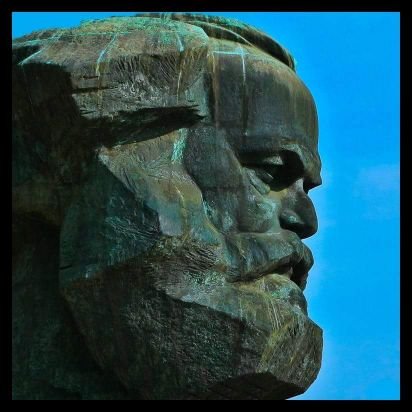





 marxismocritico.com