
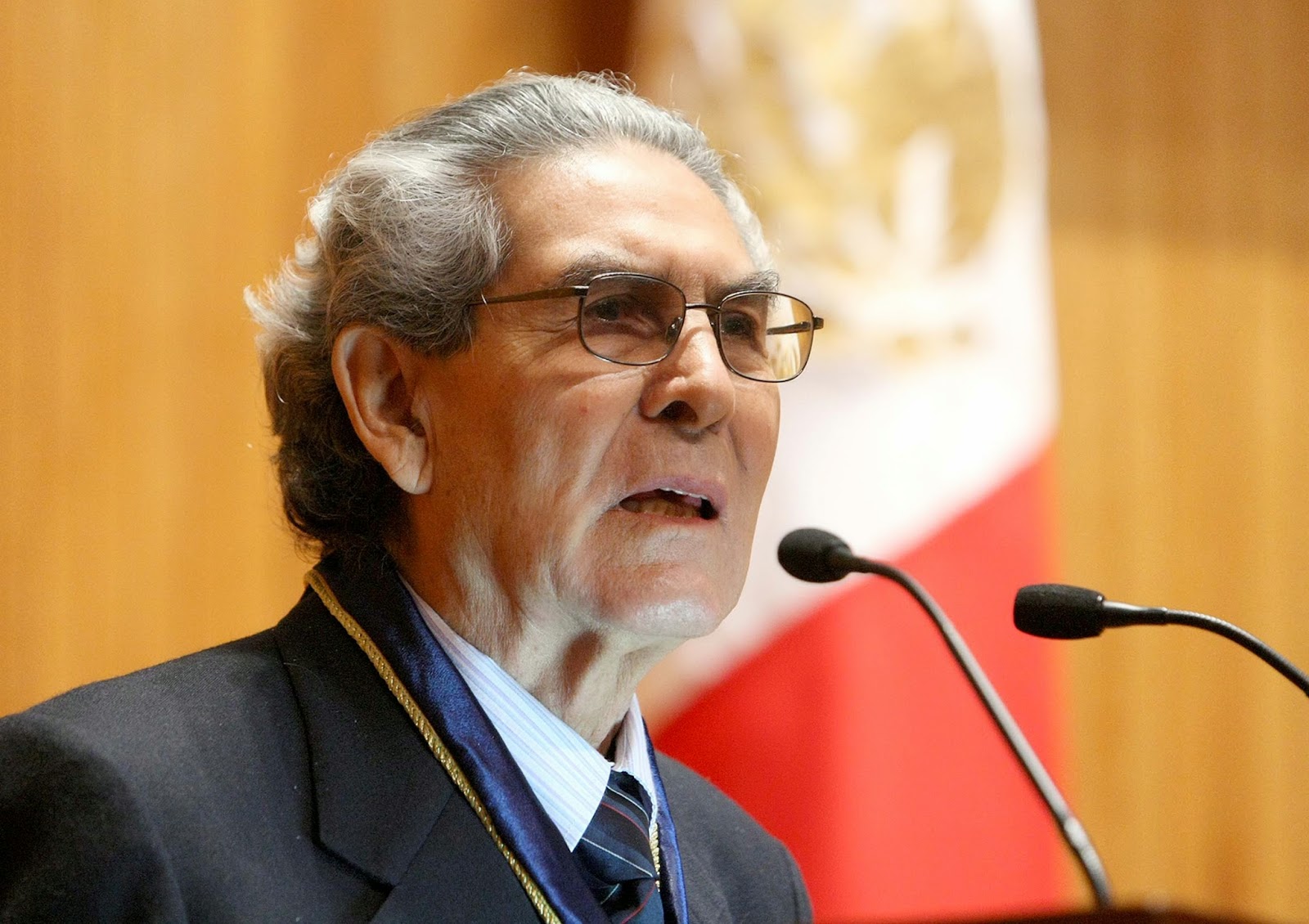
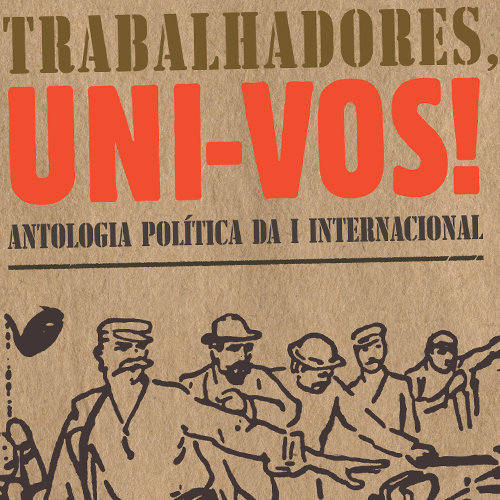
 Mesa de abertura do Encontro Internacional «150 anos da Associação Internacional dos Trabalhadores». O ciclo de debates marcou o lançamento do livro «Trabalhadores uni-vos: antologia política da I Internacional» (
Last weekend, I attended this year’s London version of the Historical Materialism conference (http://www.historicalmaterialism.org/conferences/annual11), which for those who don’t know is an annual gathering of mainly Marxist academics, students and activists organised by the Historical Materialism journal. A host of papers and book launch presentations are made, often bringing out new ideas in the analysis of capitalism.
This year’s main theme was How Capitalism Survives and was apparently attended by over 750 scholars, academics and activists. It’s not possible to attend all sessions, of course, so my review concentrates on the economics papers and even there is sometimes based on reading the papers presented rather than on actually attending the session (so be forewarned!).
How does capitalism survive? Well, according to John Weeks, emeritus professor at SOAS, it’s because the capitalist mode of production has had very few of what could be called proper crises (2014 Weeks_Crisis_Izmir). Weeks reckons that only the Great Depression of the 1930s and the recent Great Recession could be considered generalised crises (“episodes of severe contraction”) that affected the world capitalist economy for any length of time or to any depth. Other so-called crises were merely mild recessions or financial crashes that were short and limited to the national economy concerned.
As for the causes, Weeks argues that it was the breakdown in the circuit of capital and the realisation of money that was the problem and had nothing to do with the accumulation of value in the production process, as advocated by the ‘falling rate of profit’ theorists. As he puts it: “The typical “falling rate of profit” mechanism fails to get out of the starting gate as a candidate for generating cross-country crises, much less global ones.” This is because Marx’s law of a rising organic composition of capital would only generate a gradual fall in profitability and there is no mechanism that decides “a critical value” of profit that could provoke a sudden collapse in production or investment or its simultaneous spread globally.
Well, I beg to differ. Starting with Henryk Grossman (http://www.marxists.org/archive/grossman/index.htm) and continuing with the work of many scholars very recently, such as Tapia Granados (http://thenextrecession.wordpress.com/2012/06/26/profits-call-the-tune/), including my own work and that of G Carchedi (The long roots of the present crisis), we find that there is a causal connection between the movement of profitability, profits and slumps in investment and GDP (and see my paper, The nature of current long depression).
 David Harvey esteve em Recife durante o ciclo de conferências «A economia política da urbanização». Os eventos marcaram o lançamento do volume final do guia de leitura de Harvey sobre «O capital», de Marx: «Para entender O Capital: Livros II e III» (




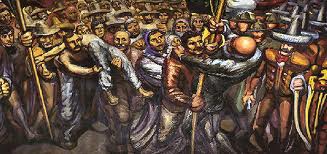 Se exploran las posibilidades de la crítica del arte desde la perspectiva marxista, poniendo énfasis en las lógicas de reproducción ideológica, se exploran también de manera crítica algunas nociones dentro del campo marxista a propósito del arte.
 La nueva edición del libro I del Capital que he coordinado para las “Opere Complete di Marx ed Engels” (vol. XXXI, Napoli, La città del sole, 1600 páginas) pretende mostrar al lector el estado de la cuestión tras las significativas novedades surgidas durante la publicación de la nueva edición histórico-crítica, la segunda Marx-Engels-Gesamtausgabe (MEGA2), monumental proyecto de 114 volúmenes en proceso de realización desde hace cuarenta años y lejos de finalizarse.
 Con el patrocinio de la Vicepresidencia del Estado Plurinacional de Bolivia, el martes 19 de agosto en el Auditorio del Banco Central de Bolivia se realizó la conferencia de David Harvey sobre «Espacios Críticos frente al nuevo liberalismo” acompañado en calidad de comentaristas por el argentino Julio Gambina de la Clacso y Alvaro Garcia Linera , Vicepresidente de Bolivia. Asistieron a la conferencia alrededor de 1300 personas pertenecientes a diversas organizaciones sociales, académicas e institucionales.




















 marxismocritico.com