
Archivo
«The necessary reconstitution of the historical dialectic»: István Mészáros
 AS WE know, the modern state was not formed as a result of some direct economic determination, as a mechanical super-structural outcrop, in conformity to a reductivist view of the sup-posedly one-sided material domination of society, as presented in the vulgar Marxist conception of these matters. Rather, it was dialectically constituted through its necessary reciprocal interaction with capital’s highly complex material ground. In this sense, the state was not only shaped by the economic foundations of society but it was also most actively shaping the multifaceted real-ity of capital’s reproductive manifestations throughout their his-torical transformations, both in the ascending and in the de-scending phase of development of the capital system.
In this complex dialectical process of reciprocal interchange the historical and the transhistorical determinations have been closely intertwined, even if in the course of the capital system’s descending phase of development we had to witness a growing violation of the historical dialectic, especially under the impact of the deepening structural crisis. For the defence of the estab-lished mode of societal reproduction at all cost, no matter how wasteful and destructive its impact by now even on nature, can only underline the historical anachronism and the corresponding untenability of a once all-powerful mode of productive societal reproduction, which tries to extend its power in a “globalized form” at a time when the absolute systemic limits of capital are being activated on a global scale.
«Resistance versus Emancipation: Foucault, Marcuse, Marx, and the Present Moment»: Kevin B. Anderson
 I. The Changed World of 2011-12
We live in a far different world than just a few short years ago. Not only have we suffered the greatest economic downturn since the 1930s, but we have also witnessed the emergence of new forms of mass struggle. Foremost among these have been the 2011-12 Arab revolutions, still ongoing. Not since 1848 has the world experienced such a wave of revolutions crossing borders in such a short period. Moreover, unlike some of the other democratic upheavals of this century (Iran 2009, Ukraine 2004, Serbia 2000, etc.), the Arab revolutions have articulated not only political but also economic demands. The spread of these revolutions countries whose governments boasted of their anti-imperialist credentials like Libya and Syria has also tested those on the Left who place opposition to U.S. imperialism ahead of everything else. (For more elaboration of this point see my “Year Two of the Arab Revolutions, Logos 11:4, Spring-Summer 2012: http://logosjournal.com/2012/spring-summer_anderson/.)
Several other key struggles have emerged in the wake of the Arab revolutions, among them the summer 2011 British youth riots triggered by minority youth, a serious challenge to racially based state/police oppression and austerity economics. We have also seen serious movements against austerity and economic oppression, above all in Greece (begun before 2011), but also in Spain and Israel, as well as the labor upheaval in Wisconsin. In the U.S. and the UK, the 2011-12 Occupy movement has galvanized a new generation of young radicals, most notably in Oakland, California where they were able to shut down of one of the world’s largest ports, while also linking their movement to earlier protests against the murder of an African-American youth, Oscar Grant, by local transit police.
One could make a number of critiques of these new movements concerning their organizational practices or their political stances. In the discussion that follows, however, I would like to concentrate on a philosophical orientation that influences the contemporary radical movement’s, centered the all-too-common preoccupation with notions of “resistance.”
Audio de la presentació del llibre «Nuestro Marx» de Néstor Kohan a la conferència inaugural de la UCPC 2011
 L’exposició es va centrar en l’explicació sintètica del darrer llibre de Kohan “Nuestro Marx”, producte de les discussions a la Càtedra Libre Ché Guevara. Entre altres, també va realitzar una crida a la necessitat de formació teòrica per tal d’orientar una bona praxis política comunista i contra la fragmentació del coneixement.
Crònica de la conferència
Prologat per membres de les FARC-EP, el llibre té com a objectiu la crítica dels “paradigmes” intel·lectuals que han dominat el pensament acadèmic des de mitjans dels vuitanta, d’una banda; i d’altra, fer una crítica explícitament diferenciada de les tradicions dels marxisme, és a dir, de les elaboracions de Marx divulgades i defensades per diferents famílies de l’esquerra pretesament rupturistes o transformadores.
Les anomenades “metafísiques post” (postmodernisme, postmarxisme, postestructuralisme i multiculturalisme) s’han de contextualitzar com a productes teòrics de la derrota de les revoltes del 68. Segons Kohan, aquestes van fer de la debilitat virtut tot apujant la fallida conjunctural com a teoria que va renunciar a la conquesta del poder i a l’enfrontament de l’Estat, això sí, sota una “gestualidad pseudolibertaria y una cierta inspiración en los relatos antiutópicos como 1984”.
«Entrevista con Doménico Losurdo»: Giulio Gerosa
Entrevista realizada no verão de Julho de 2011 em Urbino, Itália. Losurdo não é mais um divulgador do marxismo entre muitos. É um criador. Tal como os materialistas gregos, não desconhece que o objectivo supremo do homem na aventura da vida é a procura da felicidade possível. E sabe também que em poucas épocas terá sido tão difícil como hoje perseguir essa meta. Não é de estranhar que o filósofo, nessa ânsia de compreender para ensinar, tenha escrito sobre autores tão diferentes como Nietzsche, Hegel, Marx e Lénine. Mas Domenico tem os pés bem fincados na terra. A teoria e a prática são para ele complementares. Consciente dessa interacção, o historiador está, como intelectual revolucionário, permanentemente envolvido na solidariedade com as grandes causas da humanidade e na luta dos povos contra o imperialismo. Os seus artigos correm mundo na crítica às guerras de agressão imperiais contra os povos da Palestina, do Iraque, do Afeganistão, da Líbia e outros, na denúncia da participação do golpe dos EUA nas Honduras, na solidariedade com as FARC colombianas e com o povo iraniano. É reconfortante que neste mundo em crise de civilização haja pensadores revolucionários como Domenico Losurdo. Vai completar 70 anos e preparam-lhe merecidas homenagens em diferentes países. (fonte: Miguel Urbano Rodrigues)
«Sobre Lenin y la dialéctica materialista»: João Vasco Fagundes
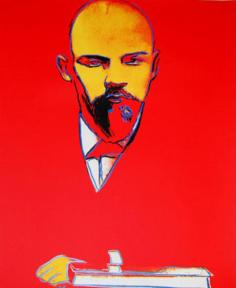
Bajo el impacto de la derrota de la revolución rusa de 1905, el movimiento revolucionario (no sólo ruso sino internacional) intentó poner manos a la obra en lo que tocaba a la comprensión de la dinámica del proceso y a las causas de su resultado inmediato.
En este contexto, empezaron a diseñarse tentativas abiertas de separar el marxismo de su base filosófica – cuyo resultado, poco más tarde, sería la aparición fulgurante del empiriocriticismo y del empiriomonismo rusos, con el propósito de hacer encajar en el marxismo una filosofía idealista subjetiva de corte agnóstico, escéptico.
Inmerso en esta polémica, Kautsky pronunció por entonces estas palabras: “Marx no proclamó ninguna filosofía”1.
Desde el núcleo de estas posiciones empezaba a estructurarse y a tomar cuerpo una reducción del marxismo a un mero método, quitando de su ámbito toda investigación sobre el estatuto de lo real. De una manera expedita y expeditiva, la conclusión a la que se deseaba llegar allí estaba al alcance de la mano: la filosofía estaría ausente del marxismo; el marxismo no constituiría un sistema filosófico; asistemático e inorgánico, el marxismo no se asentaría sobre una concepción general del mundo. El envoltorio de estas posiciones, por lo demás, se mostraba altamente atractivo para los más incautos: el materialismo era llamado “metafísica”, la dialéctica se consideraba irremediablemente un “idealismo hegeliano” y la filosofía se identificaba sin más con la “religión”. En el fondo lo que se pretendía era – así se decía – “limpiar” el marxismo de sus residuos “dogmáticos” y “religiosos”, muy lejos de las preocupaciones (y más aun: de las ocupaciones) del mismo Marx.
“16 Tesis de Economía Política. Tesis II″: Enrique Dussel
 «El ciclo productivo, trabajo vivo y valor» segunda conferencia de Enrique Dussel sobre la crítica de la economía política de Marx de su curso ” 16 Tesis de Economía Política”
«The Concept of the Ideal»: Evald Ilyenkov
 Before discussing the concept itself we must first consider the terms “ideal” and “ideality”, that is to say, we must first define the range of phenomena to which these terms may be applied, without analysing the essence of these phenomena at this point.
Even this is not an easy task because usage in general, and scientific usage in particular, is always something derivative of that very “understanding of the essence of the question” whose exposition our definition is intended to serve. The difficulty is by no means peculiar to the given case. It arises whenever we discuss fairly complex matters regarding which there is no generally accepted interpretation and, consequently, no clear definition of the limits of the object under discussion. In such cases discussion on the point at issue turns into an argument about the “meaning of the term”, the limits of a particular designation and, hence, about the formal attributes of phenomena that have to be taken into consideration in a theoretical examination of the essence of the question.
«Los postmodernos atacan a Marx por ser un humanista»: Entrevista a Kevin B. Anderson
Kevin, falta poco para que se cumpla el segundo aniversario de la edición persa de El Capital, vol. 1, traducida por Hassan Mortazavi. ¿Puedes explicar las diferencias entre la edición francesa y las ediciones inglesa y alemana?
Se trata de un asunto muy interesante. A su muerte, Marx dejó dos ediciones del primer volumen de El Capital que eran muy diferentes entre sí. Una era la segunda edición alemana de 1873 y la otra la francesa de entre 1872 y 1875. La edición francesa se publicó en fascículos en una revista, en parte porque el editor no tenía dinero suficiente para publicar el texto de una sola vez. De modo que en ese periodo la edición francesa fue la última en aparecer al no completarse su traducción hasta 1875.
Marx dominaba perfectamente la lengua francesa. En su juventud escribió algunos libros en francés, como La pobreza de la filosofía. Los alemanes tienen que leer este libro traducido del francés. Las cartas de Marx tanto a la revolucionaria rusa Vera Zasulich en 1881, como a Annenkov en 1846 sobre el método materialista y contra Pierre-Joseph Proudhon también estaban escritas en francés. Marx escribía en lengua francesa casi con la misma naturalidad con la que escribían en alemán, y luego también en inglés. De modo que aunque El Capital fue traducido del alemán al francés, Marx realizó modificaciones casi en cada párrafo de la versión francesa.
«A philosopher under suspicion»: Sergei Mareyev
 The Soviet philosopher Evald Ilyenkov, who died in 1979 following a renewed witch-hunt against him by the authorities, defied Stalinist dogma and made a priceless contribution to the creative development of the Marxist method. This profile of Ilyenkov’s life and work is by philosophy scholar Sergei Mareyev. It first appeared in the Journal of Moscow State University, Volume 7, No. 1 in 1990. It is published in English for the first time.
Translation by Angela Landon
In 1989 we marked two dates associated with one name – 65 years from the day of his birth, and 10 years from the day of Evald Vasilievich Ilyenkov’s death. He belonged to the small group of leading Marxist philosophers who creatively developed revolutionary science in spite of the regime imposed 60 years ago in the Soviet Union, and despite having the least possible support.
Probably the attitude of the official scientific side was best expressed by his former comrade A.A. Zinoviev in a friendly cartoon, when they were still making the famous Moscow wall newspaper of the Institute of Philosophy (USSR Academy of Sciences).
«Introdução à Ontologia de Lukács: Aspectos Históricos e Ontológicos»: Sergio Lessa
 Em novembro de 2012 o professor de filosofia Sérgio Lessa ministrou na Universidade de Brasília um curso introdutório à ontologia de György Lukács, um dos mais importantes pensadores do marxismo ocidental. Lukács contribuiu enormemente sobre temas relacionados à reificação do ser social, ao fetichismo, à dialética e ao marxismo como ontologia fundada na categoria do trabalho humano, além de ter sido capaz de elucidar muitas das relações teóricas entre Kant, Hegel e Marx antes mesmo da publicação de vários dos manuscritos de Marx que somente hoje temos acesso. Lukács, ademais escrever sobre ética e estética do ponto de vista da análise marxista, foi ele também responsável por escrever um tratado sobre ontologia desde o início da escravidão até os dias em que morreu. O professor Sérgio Lessa faz uma excelente introdução à obra máxima de Lukács, a Ontologia do Ser Social, e aproveita também para discutir assuntos correlatos. Acompanhe aqui a gravação completa do evento.
«Origins on CHAT: German Philosophy and Marx»: Andy Blunden
 Talk given at the Monash Education Research Community, within the Department of Education at Monash University, by Andy Blunden on 20 April 2010.
The talk is the first of a two-part seminar for the International Course on Cultural Historical Activity Theory. It covers the contributions to this current of thought derived from Descartes, J G Herder, Goethe and Hegel. Part Two, deals with Marx. See marx.org/subject/philosophy/german.htm for readings, home.mira.net/~andy/works/origins-chat.htm for text of this talk and ethicalpolitics.org/chat/Genealogy-CHAT.htm for a diagram of the historical sources of CHAT more widely.
«The Four Drafts of Capital: Toward a New Interpretation of the Dialectical Thought of Marx»: Enrique Dussel
 The first century following Marx’s death (1883–1983) began under Engels’s authority, then continued under the hegemony of the Second International (Kautsky, Lenin, Rosa Luxemburg, etc.). The Leninist period of the Second International was brief, and it quickly fell under the domination of Stalinism. The second century of Marx (l983–2083) has begun with “perestroika,” with the collapse of existing socialism in Eastern Europe, and with the massive publication of hitherto unknown manuscripts. Marx in his second century will be something very different from in his first century. He will be a Marx whose critical thought will be in the hands of humanity— critical of capitalism and, in a positive way (opening its democratic and creative era), of existing socialism. We are perhaps nearer to Marx than ever. Engels himself too often confused in his “we” (Marx and I) what belonged to Marx and what Engels had added. Moreover, due to an understandable defensiveness, he could not take a clear, archaeological vision of Marx’s theoretical discoveries as we can today, thanks to the discoveries we will discuss in this article. Kautsky, Lenin, and many other subsequent Marxists had even less access to the texts with which we are now acquainted.
It is a question, then, of a complete rereading of Marx, with new eyes: as a Latin American, from the growing poverty of the peripheral world, the underdeveloped and exploited of capitalism at the end of the twentieth century. Marx is, in the periphery, today, more pertinent than in the England of the mid-nineteenth century.
«The Universal and the Particulars in Hegel’s Logic and Marx’s Capital»: Fred Moseley
 I have argued in a number of papers (please see References) that there are two main stages (or levels of abstraction) in Marx’s theory in Capital. The first stage has to do with the production of surplus-value and the determination of the total surplus-value, and the second stage has to do with the distribution of surplus-value and the division of the pre-determined total surplus-value into individual parts (equal rates of profit, commercial profit, interest, and rent). The total amount of surplus-value is determined at the first stage (the production of surplus-value) and then this predetermined magnitude is presupposed in the second stage (the distribution of surplus-value). This key quantitative presupposition of the prior determination of the total surplus-value is repeated many times, in all the drafts of Capital, as I have shown in my papers. Thus, there is a clear logical progression from the determination of the magnitude of the total surplus-value in the first stage to the determination of the individual parts in the second stage. Other authors who have presented similar interpretations of the production and distribution of surplus-value and the prior determination of the total surplus-value in Marx’s theory include Paul Mattick, Roman Rosdolsky, Enrique Dussel, David Yaffe, and Duncan Foley.
«The Ideal in Human Activity»: Reviewed by Alex Levant
 E.V. Ilyenkov
The Ideal in Human Activity
Marxist Internet Archive Publications (www.marxists.org), Pacifica CA, 2009. 396pp. $25 pb
ISBN 9780980542875
The Ideal in Human Activity by E. V. Ilyenkov is a substantial tome consisting of two complete books and three articles, which offers for the first time in the form of a single volume the majority of this renowned Soviet philosopher’s work currently available in English translation. This publication constitutes an important intervention in the problem of consciousness, which has figured prominently in the canon of Western social and political thought from Plato to the present. Theories about the origin and nature of human thought have fundamentally shaped our notions of politics, taking a substantial turn in the nineteenth century in light of the critical significance that Marx ascribed to the role of consciousness in the process of revolution (Lowy 2005, p. 10). Consequently, the key debates on political organization in classical Marxism turned on the question of how to displace the hegemony of ruling ideas produced by false consciousness with the objectively correct perspective articulated by the class-conscious vanguard of the proletariat in the form of the communist party (Lukacs 1971; 2000; Second Congress of the Comintern 1977). But when the organizational innovations ascribed to Lenin (Lih 2005) did not yield in Central and Western Europe the same results ‘as in Russia’, the principal figures of a tradition retrospectively known as Western Marxism (Anderson 1976), set out in the early 1920s to re-examine some of the most foundational concepts on which the problem of consciousness rests in an effort ‘to rescue Marxism from positivism and crude materialism’ (Jacoby 1983, p. 524).
«Non-linear Processes and the dialectic»: Andy Blunden
 Most writers and researchers in the humanities speak of something like “dialectical processes” or “dialectical thinking” and use a number of metaphors to characterise the complex and nuanced processes of reality in contrast to what may be called “linear” or “mechanical” processes or thinking.
In his exposition of dialectics in the Logic, Hegel dealt with this problem in great length and detail from a conceptual point of view. Six distinct forms of the dialectic can be abstracted from Hegel’s work.
I shall briefly review the metaphors and forms of words used in popular and scientific discourse and then outline the concepts Hegel introduced for these same problems.
Popular conceptions of linear and non-linear processes
The idea of characterising processes or someone’s conception of a process as ‘linear’ has its origin in mathematical representations of processes in natural science. Here there is a dependent and an independent variable (possibly time), and this relation may be represented by a line on a graph; given appropriate measures for each variable or combination of variables, this graph may take the form of a straight line. In this case, the same change in the independent variable produces the same change in the dependent variable (add an extra kg to the pan and the spring always extends by one cm.), and the change is reversible (remove one kg from the scales and the spring retracts by one cm.)
This is the archetype of the ‘linear process’: a cause always has the same effect and is reversible. The ‘linear effect’ is thus independent of how many times it is applied, and in this specific sense is independent of previous history and context. A process can still be ‘linear’ in the strict sense while being context- and repetition-dependent, but this dependence on context and history is usually taken as one of the characteristics of ‘non-linear’ processes: a certain stimulus always produces a certain response, but suddenly one more stimulus produces a different response – the straw that broke the camel’s back. Irreversibility is also taken as a characteristic of ‘non-linear’ processes: “you can’t unscramble an egg.”
Reading Marx’s Capital with David Harvey

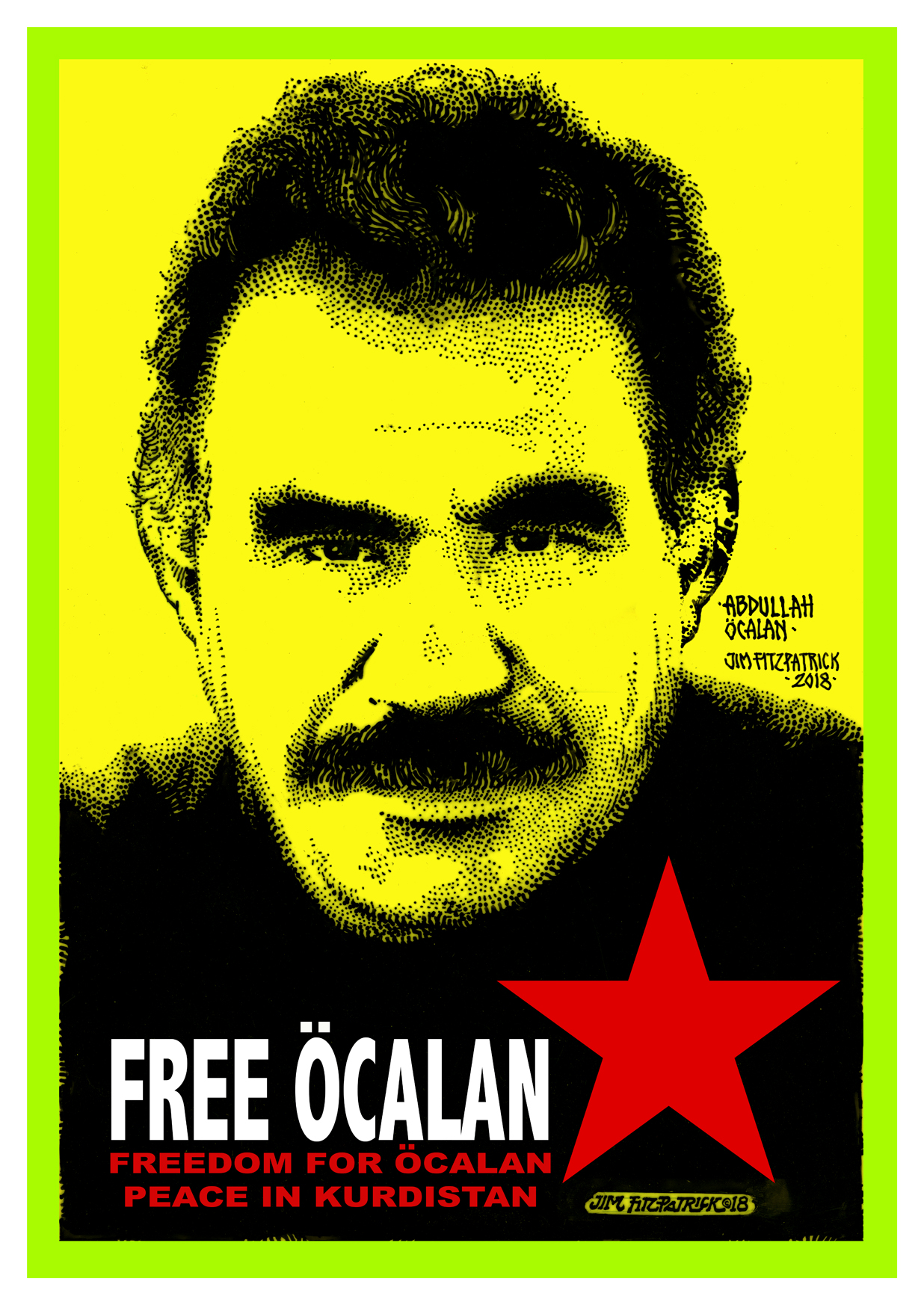
Free Öcalan
Fundación Infancia y Aprendizaje
Colección de libros Marxismo Crítico

Historical Materialism


CIPEC (Centro de Investigación en Pensamiento Crítico)

Centro para la Investigación como Crítica Práctica

Memoria Revista de Crítica Militante
Revista Laberinto





Marx desde cero




 marxismocritico.com