
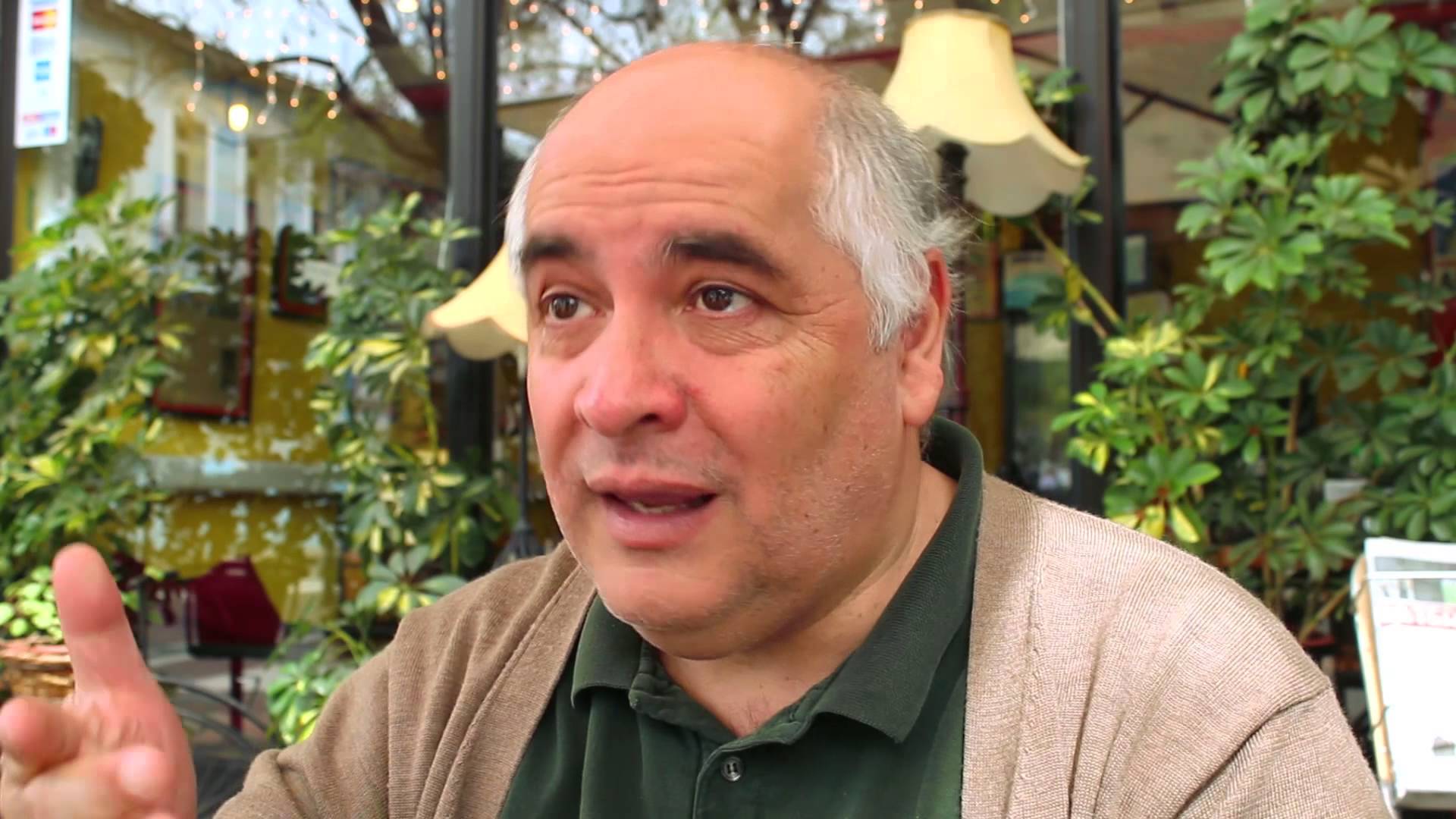
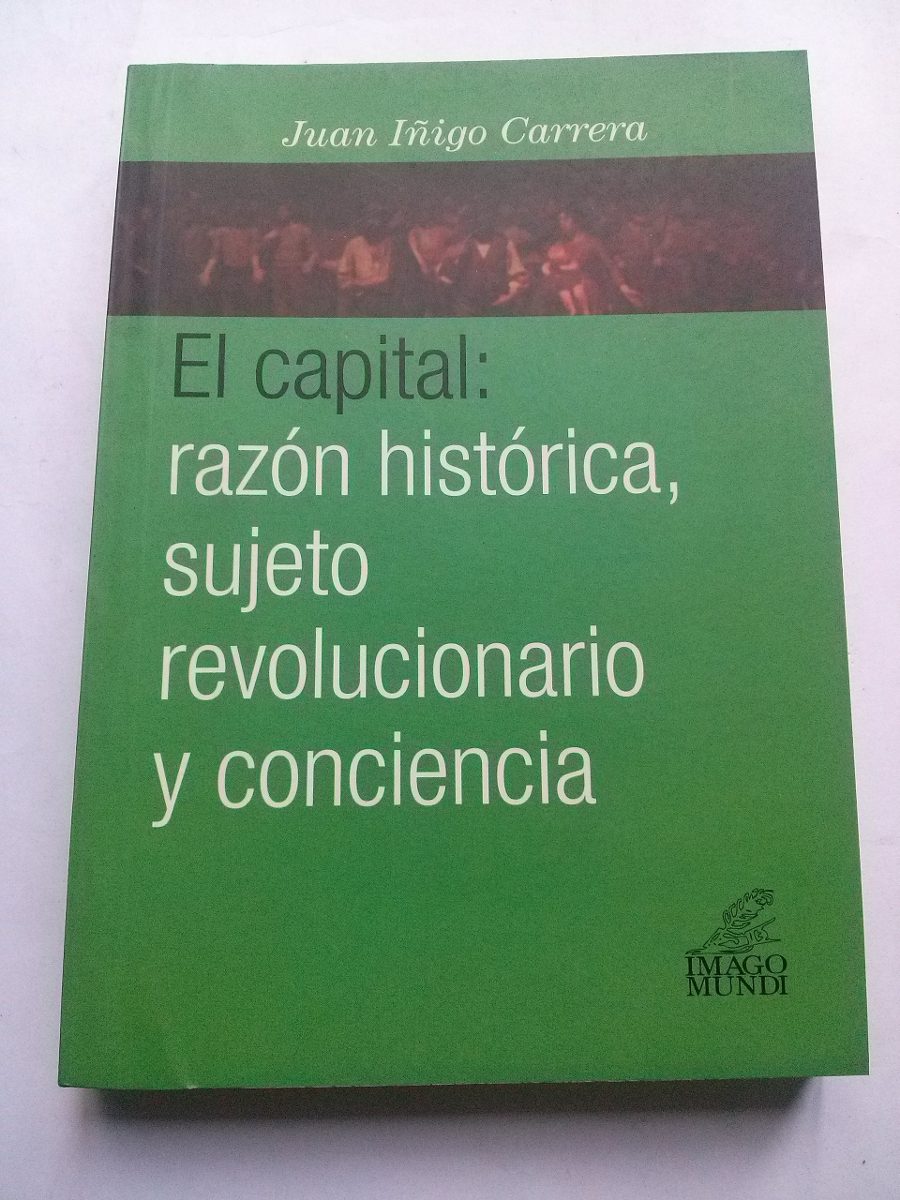


 En el marco del 50 aniversario de la Facultad de Economía de la Benemérita Universidad Autónoma de Puebla (BUAP) se sostuvo un diálogo entre el Dr. Enrique Dussel y el Dr. Theotonio Dos Santos. Grandes pensadores y fundadores de teorías desde América Latina, como la Filosofía de la Liberación y la Teoría de la Dependencia.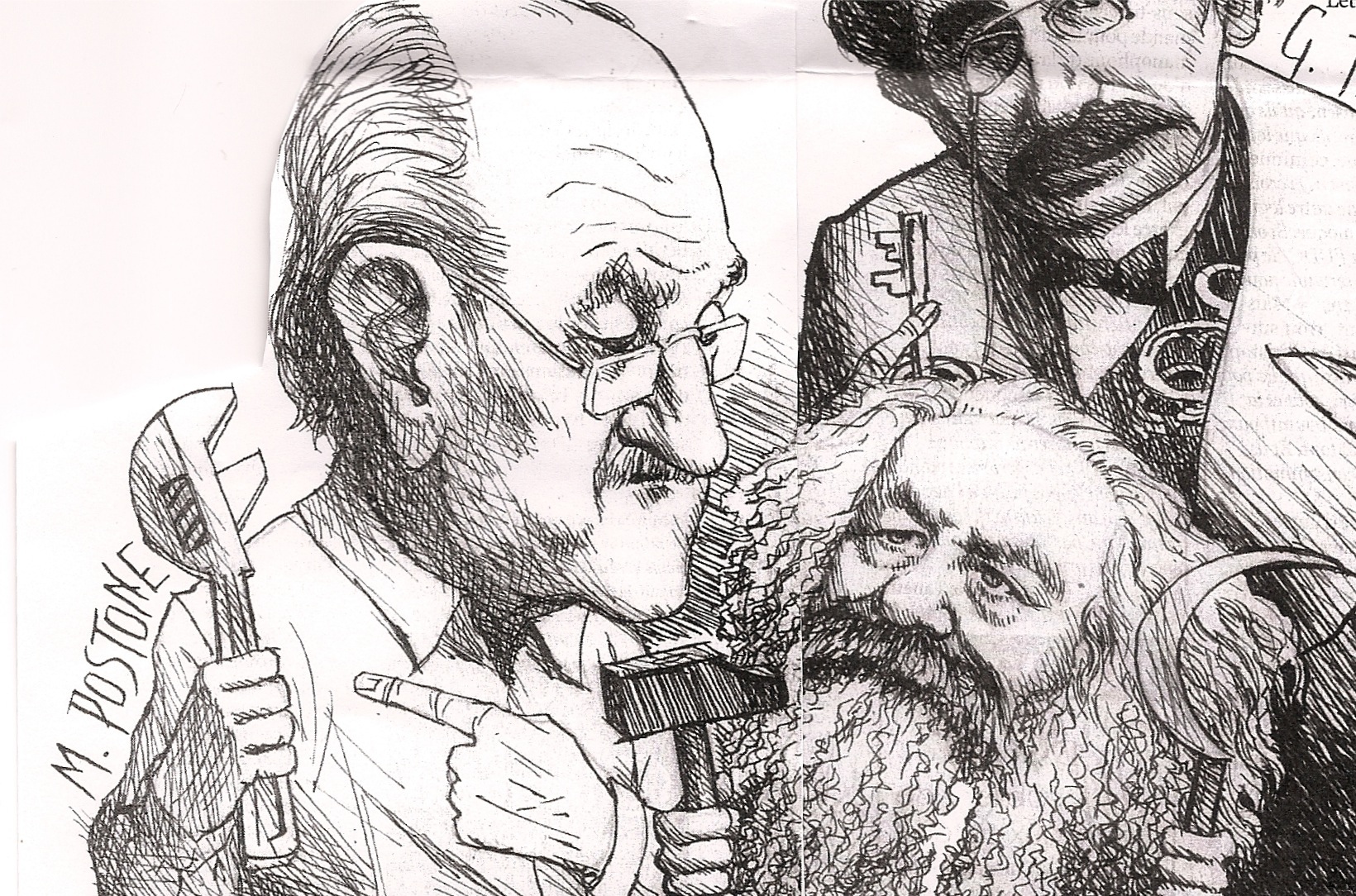
 The Henry George School of Social Science, and the New School of Social Research invite you to follow Professor Anwar M. Shaikh in a new series of lectures exploring his new ground-breaking Economic treatise, “Capitalism: Competition, Conflict and Crises”. The course will be introduced over two semesters. Recordings of the first semester, becoming available now, is comprised of 15 lectures. Subscribe to our YouTube Channel, Henry George School of Social Science to receive updates as new lectures are added.
Competition and conflict are intrinsic features of modern societies, inequality is persistent, and booms and busts are recurrent outcomes throughout capitalist history. State intervention modifies these patterns, but does not abolish them.
Professor Shaikh exposes how these and many other observed patterns are the results of intrinsic forces that shape and channel outcomes. Social and institutional factors play an important role, but at the same time, the factors are themselves limited by the dominant forces arising from “gain-seeking” behavior, of which the profit motive is the most important. These dominant elements create an invisible force field that shapes and channels capitalist outcomes.
The book’s approach departs from that of orthodox economics as well as the dominant elements in the heterodox tradition. There is no reference whatsoever to an idealized framework rooted in perfect firms, perfect individuals, perfect knowledge, perfectly selfish behavior, rational expectations, or so-called optimal outcomes. The book develops microeconomic and macroeconomic theory from real behavior and real competition, and uses it to explain empirical patterns in microeconomic demand and supply, wage and profits, technological change, relative prices of goods and services, interest rates, bond and equity prices, exchange rates, patterns of international trade, growth, unemployment, inflation, national and personal inequality, and the recurrence of general crises such as the current one which began in 2007-2008.


 Conferencia realizada el día jueves 15 de mayo en el Instituto de Historia y Ciencias Sociales de la Facultad de Humanidades, Universidad de Valparaíso.
  Documental ilustrado por Canal Encuentro de Argentina sobre el libro “GRAMSCI PARA PRINCIPIANTES” de Néstor Kohan e ilustraciones de Miguel Rep. Biografía política del marxista revolucionario italiano y principal pensador comunista. Síntesis de sus CUADERNOS DE LA CÁRCEL El poder y la revolución como ejes del marxismo. La lucha por la hegemonía socialista y las relaciones de fuerza en la lucha de clases sociales. La herencia política y cultural de Lenin y las enseñanzas de Marx contra el mercado capitalista y en defensa del comunismo. Gramsci analizado desde América Latina y a contracorriente de la socialdemocracia, el posmarxismo y el neoliberalismo.
  ¿Hay salida a los problemas sociales que vivimos dentro de la Europa del Euro? Ponente: Xabier Arrizabalo Montoro. Profesor Titular de la Universidad Complutense de Madrid
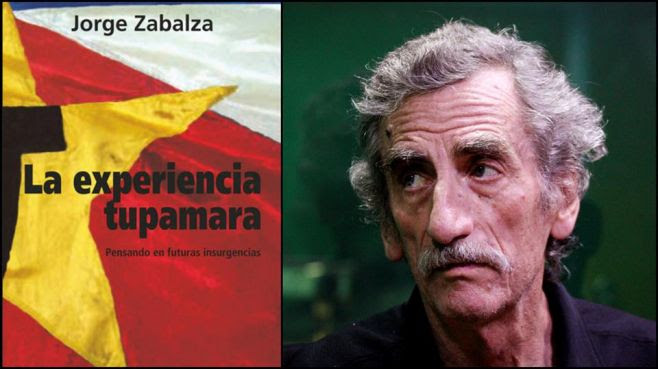 Presentación en Montevideo (22/12/2015) del libro “La experiencia tupamara. Pensando en futuras insurgencias” de Jorge “el tambero” Zabalza. Dirigente histórico del MLN-T Tupamaros y uno de los nueve rehenes de la dictadura militar uruguaya, junto a Raúl Sendic. Zabalza es un militante revolucionario que atravesó con dignidad y sin abandonar las banderas los 11 años infernales de tortura, aislamiento y encierro en una jaula (con luz eléctrica 24 horas), sin poder hablar con n
 Demokratie gegen Kapitalismus



















 marxismocritico.com